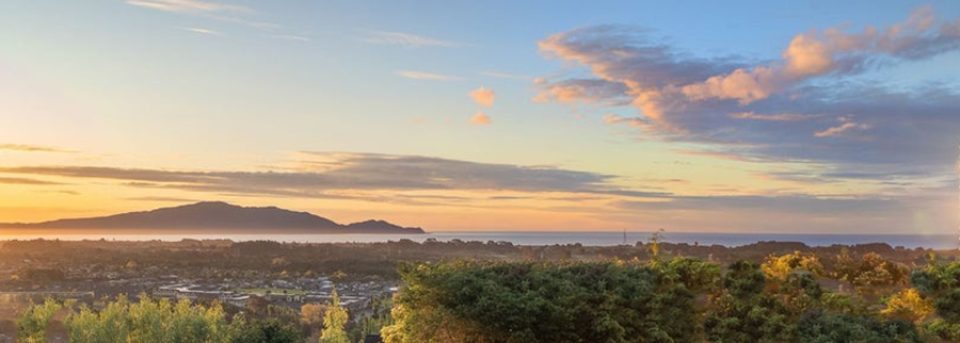

Basically, if insurance companies think the risk(s) posed by disasters in your locale are too high they will hike the premiums like KCDC hikes the Rates, or simply decline to insure you. We don’t have a wildfire risk to any appreciable degree even in the January-March period; but Mr Dougherty’s coastal hazard lines from 12 years ago based on silly perceived likelihood of sea level rise have caused problems for homeowners near the coast, we don’t have figures on exactly how many.
Among risks that insurance companies face in Waikanae, sea level rise isn’t one of them, neither is storm-driven sea incursion — with more appropriate planting in recent times, the Waikanae dunes have coped. Damage from storm force winds, however, has occurred, but the risk is mostly from nor-westers rather than southerlies because of the hills to the south-east.
An over-abundance of Dougherty’s ‘precious water’ from the sky has caused problems with flooding, which have very slowly but nevertheless steadily been alleviated.
from the L.A. Times on their insurance issues:-
- Before the fires burned more than 10,000 structures in Los Angeles County, insurers chose not to renew thousands of home insurance policies in Pacific Palisades, Altadena and other fire-prone areas.
- The rising costs and cancellations left many fire victims without adequate means to cover their losses, highlighting a deepening crisis in California’s property insurance market.
Last year, Francis Bischetti said he learned that the annual cost of the homeowners policy he buys from Farmers Insurance for his Pacific Palisades home was going to soar from $4,500 to $18,000 — an amount he could not possibly afford.
Neither could he get onto California FAIR Plan, which provides fewer benefits, because he said he would have to cut down 10 trees around his roof line to lower the fire risk — something else the 55-year-old personal assistant found too costly to manage.
So he decided he would do what’s called “going bare” — not buying any coverage on his home in the community’s El Medio neighborhood. He figured if he watered his property year round, that might be protection enough given its location south of Sunset Boulevard.
It wasn’t. The home he lived in for nearly all his life burned down last Tuesday along with more than 10,000 other homes and structures damaged or destroyed in the worst fire event in the history of Los Angeles. Sixteen deaths have been confirmed countywide.
“It was surrealistic,” he said. “I’ve grown up and lived here off and on for 50 years. I’ve never in my entire time here experienced this.”
Farmers Insurance declined to comment, saying it does not discuss individual policyholders.
Bischetti was far from the only homeowner living in Pacific Palisades, Altadena or other fire-prone hillside neighborhoods who struggled to maintain their insurance amid sharply rising costs and the decision by many insurers to reduce their exposure to catastrophic wildfire claims by not renewing the policies of even longtime customers. Many fire victims reported that insurers had dropped their policies last year.
These increases are nothing short of scam based on the managers of the insurance companies being sucked into the “climate change” scare mongering and the belief that their risk factor as a result, has been greatly increased. A large percentage of home owners take on insurance cover in the fear of fire and their property being completely destroyed. Maybe it’s about time for an option on policies asking if you want cover for “sea levels rising because of climate change”, yes or no. After all, the chances of your house falling into the ocean when it stands a kilometer inland is highly unlikely isn’t it? So maybe it is worth the risk, and say no thanks and see what reduction in premiums are offered.