
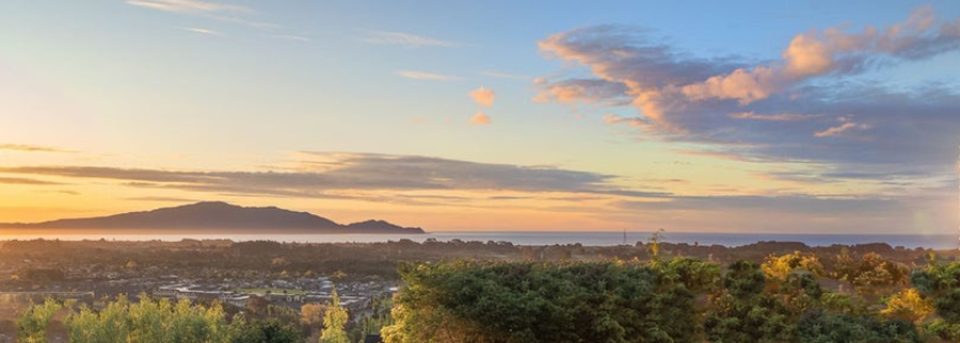
Actually taken standing on a group of rocks.
22 Wednesday Jan 2020
Posted in Uncategorized
Actually taken standing on a group of rocks.
21 Tuesday Jan 2020
Posted in Uncategorized
A message from the council:

Enjoy an event at Waikanae Park watching two movies suitable for the whole family. Bring keep cups and a picnic or grab dinner from one of the Food Trucks.
Starting at 5 pm is Toy Story 4, a movie continuing the tale of Woody, Buzz Lightyear and their friends as they embark on a road trip with a new toy named Forky.
Then at 7:30 pm, we’ll be playing Hunt for the Wilderpeople, a Kiwi film about a boy and his foster father becoming subjects of a man hunt in the New Zealand wilderness.
Both films are rated PG.
From 3.30 pm–5 pm and between movies, we’ll have sport and play equipment to keep the kids entertained.
Movies in the Park is an alcohol and smoke free event. We have made accessible parking available. Please contact the Council for more information.
Saturday 15 February 2020 3:30pm – 9:45pm
Brought to you by Kāpiti Coast District Council with support from Mike and Audra – Voyle & Co Realty.
21 Tuesday Jan 2020
Posted in Uncategorized

Taken last night.
21 Tuesday Jan 2020
Posted in Uncategorized

This is at a turning circle. On the left the street continues into the Millvale subdivision.
20 Monday Jan 2020
Posted in Uncategorized

In 1983 President Ronald Reagan signed into law the third Monday in January as a national holiday to celebrate the great civil rights leader Martin Luther King Jr. He is known for great oratory opposing racism in the 1960s and his quotes are often seen in America, an example in a downtown park in San Francisco is below.
Civil rights and civil liberties, particularly freedom of speech, and fights against injustice have become big issues in NZ and the principles Martin Luther King promoted are just as applicable here.

20 Monday Jan 2020
Posted in Uncategorized

With the old oxidation ponds, now part of a nature reserve.
19 Sunday Jan 2020
Posted in Uncategorized
 British settlers on Petone Beach 180 years ago
By Roger Childs
The enterprising Edward Gibbon Wakefield and his brothers Arthur and William were instrumental in the settlement of Wellington in 1840. The Wakefields’ New Zealand Company would also set up other communities in Nelson, Wanganui and New Plymouth. Questionable land purchases were done with local Maori a year or two before and some of these were called into question by the new colonial government which was established in Northland under the Treaty of Waitangi.
In fact the setting up of the New Zealand British colony in February 1840 was hastened partly by concerns about what the Wakefields were up to further south.
An uncomfortable start for the migrants
 Local Te Ati Awa Maori helped the first British settlers from the “Aurora” land on Petone Beach on 22 January 1840, But to their dismay there were no wooden houses awaiting the new arrivals — in fact not one. So it was life under canvas for a few weeks in a settlement which was patriotically called Britannia. (There are excellent displays on this first community at the Petone Museum.)
However, the swampy, flood-prone land of the Lower Hutt Valley was utterly unsuitable for building and within a few months the settlers decamped for Te Aro on the other side of the harbour. The new town was soon named after the “Iron Duke” who with a bit of help from the Prussians has eventually prevailed at the Battle of Waterloo 25 years earlier.
Growth and celebration
 By the end of 1840 about 2300 migrants had arrived in Wellington on more than 100 ships, and houses had been built and streets laid out. On the first anniversary in January 1841 the community had developed enough to be able to host two formal balls, church services and a feast, as well as horse and canoe races, rifle shooting and games.
So 22 January 2020 is the 180th birthday of British people coming to “Wellington”, but why do citizens of the Kapiti Coast, Hutt Valley, the Porirua Basin, Wairarapa, Horowhenua, Wanganui, Manawatu and Rangitikei, as well as Wellington, get a holiday on Monday? Basically all those regions were once part of the Wellington Province.
The New Zealand provinces
 In the mid 19th century there were few roads and no railways. Most travel between the scattered communities of the fledgling British colony was by sea. So in 1852 six provinces were set up under the constitution to provide for the efficient administration of the country’s scattered settlements. Four more provinces were added later.
However by 1876 land transport was rapidly expanding, railways were being built and many provincial administrations were in dire financial straits. The central government in Wellington, led by Julius Vogel, decided the time had come to abolish the provinces.
 The provinces have broken down because of their coming into conflict with the colonial government on many points, and especially on points of finance. Their doom was only a question of time…–Colonial Treasurer, Julius Vogel 1874
However, each province had set up an anniversary day and 144 years after the abolition of provincial government, these public holidays remain.
Provincial pride
There was an attempt to set up one national holiday to replace provincial anniversaries, but this failed. The anniversaries remain and people continue to identify with their “province” even though there have been many changes over the last hundred years in how districts/regions/boroughs/cities are administered.
For many, there is pride is being from Taranaki or the Waikato; identifying as a West Coaster or a Southlander. Many sports teams continue to have a provincial basis, and cultural, professional and employment groups still associate themselves with a province or region.
It’s a long way back to the demise of the provinces, however anniversary days are here to stay! New regions and identities have emerged over the last 144 years, but it is the original provincial boundaries from the mid 19th century that determine which day you get your holiday.
So whatever your origins and date of arrival in the place where you live today, enjoy your provincial holiday! Wellington gets the year’s celebrations underway on Monday 20 January.
19 Sunday Jan 2020
19 Sunday Jan 2020
Posted in Uncategorized

Taken by photographer Brian Campbell who was based in Waikanae Beach and was on last year’s Arts Trail. He has since returned to his native Ireland.
18 Saturday Jan 2020
Posted in Uncategorized

As we advised in a previous post, this gallery closes on Monday 20 and will then be rented out for residential use. It has seen a lot of interesting exhibitions over the last few years and will be missed.
