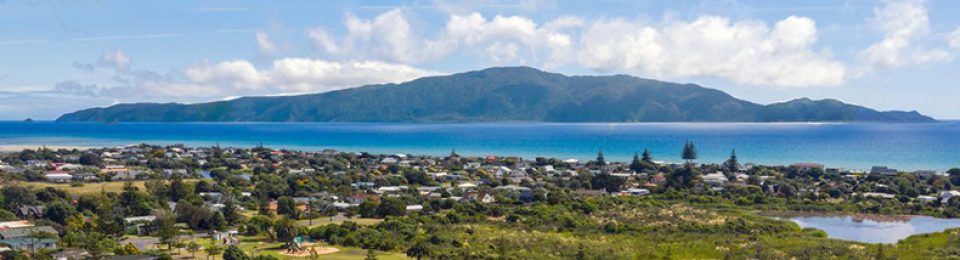
In February the Kapiti Camera Club is celebrating its 50th birthday and invites Kapiti Coast Photographic Society members to their celebratory “Kapiti Camera Club: 50 Years of Photography” exhibition and workshops.
When: 1 February to 10 March 2019
Where: At Bottle Creek Gallery, Pataka Art and Museum, cnr Parumoana & Norrie Streets, Porirua
Why: A celebration of members’ photography and the 50 year history of the club
What: Kapiti Camera Club members’ digital and print photographs and short videos, the club’s history and historic artefacts. As well there are two workshops / field trips. See details on the home page of the club’s website: www.kapiticameraclub.co.nz
During a stroll along the beach and Tutere St south during the week we noticed an interesting but rather derelict house built in 1939 at number 51 and another small but well maintained house from 1940 on the other side a little further down at number 66. So we looked up the valuations, and it was a real surprise:
Both sections are the same size — just under 700 sq metres and the difference in land value is solely because of which side of the street they are on. It couldn’t be claimed that 51 gets a better view from either aspect, but it is beside the beach.
Whoever owns number 51 is paying $6,517 in council rates a year and the impost on number 66 is $3,350.
An extract from last November’s WCB Meeting minutes states:
Traffic Engineer, Gary Adams provided the Board with an update about the upcoming minor improvement works at the Te Moana Road/Rauparaha Street intersection. The crash history, one of which was serious and the numerous near misses had highlighted for Council the need to address safety issues at this intersection. Additionally, a change in travel patterns based on the Expressway interchange had been a contributing factor. The Board strongly urged Council to engage with local community groups i.e. Waikanae Beach Residents Society and other local residents before any changes are implemented, as these are more than minor and will affect the entrance to Waikanae Beach. The Board looked forward to receiving the community engagement feedback in the New Year.
It can only be assumed that the problems have resulted from cars travelling east from the western part of Te Moana Road into the main section of it and (nearly) colliding with those turning northwest into Rauparaha Street. As can be seen from the photo, the intersection treats Rauparaha Street as the main road and the straight continuation of the main section of Te Moana Road to the beach as the minor road. Our feeling from having passed through it many times is that amount of traffic on both is about equal.
Those travelling east from the lower part of Te Moana Road into the Main Section are governed by a stop sign, while those travelling west are asked with a sign to “please indicate”.
The answer may just be to make this sign bigger and more forceful by putting a red band around it which makes a sign compulsory rather than a request.
The need to do something must result from increased traffic from visitors to the beach zone as well as from Peka Peka people travelling north from Wellington using the ‘Ewy’ offramp at Te Moana Road and then along the coast road as they can’t turn into Peka Peka Road from the ‘Ewy’.
The article from yesterday on KC Newshere gives the reasoning — basically the $22–$29 million cost isn’t justified by the number of people it will benefit. Government decisions are always going to be steered by what will do the most good for the greatest number of people.
We were told at the meeting on the Main Road back in November that the government has reduced the NZTA’s general roading budget in favour of specific projects, particularly around Auckland.
The supplied aerial picture shows some of the houses of Peka Peka — there is a larger number of them near the beach and a small group on the hill to the left, but the number overall isn’t great in the scheme of things.
That could and probably will change in the next decade or so, however, as more of the pastoral land between Waikanae and Peka Peka gets covered in subdivisions (not something we want to see, but inevitable if the country’s population keeps growing).
It can be said that elected representatives should have done more to have an interchange included in the original plans when it wouldn’t have cost too much: retrofitting improvements will always cost more. But as always, we just have to look at the best way of coping with bad decisions of the past.
Two Indian girls perform a cultural dance in Mahara Place last September (see the post of 4 September). Obviously, this was before the removal of the Phoenix palms.
An extract from the “Matters under action” pdf for the WCB meeting next Tuesday reads:
Upgrade to Mahara Place: Construction work for the improvements to Mahara Place starts on Monday, 28 January and is due for completion in August 2019. Work is generally happening between 7am- 5pm weekdays and we will notify everyone if we need to work extra nights and weekends. The work is planned to help make Mahara Place the heart of the town centre and involves creating a plaza, with reading gardens, seating, and more places to socialise. We have been working alongside Mahara Place businesses to let them know what’s happening and we will be meeting with them weekly to discuss any issues and how we can sort these out. These meetings are being held jointly by the Council project team and our contractor Brian Perry Civil. We will also be emailing regular updates and making sure we keep the communication channels open.
First stage The first stage of work will see us form an entranceway into the site between the Library and Gallery which includes removing the Library side steps and forming a ramp so we can get our construction plant and materials onto site. During the first couple of weeks we will be removing existing pavers and prepping the ground for concreting outside the shops to the east of Mahara Place. We will also be setting up a fenced-off area in the middle of Mahara Place and removing the synthetic grass to form an area for our equipment and materials. Pedestrian management will be in place to ensure the safety of those entering Mahara Place.
In a two minute decision, one of the quickest decisions of this triennium, council voted unanimously to reject this funding proposal today, in a vote moved by Councilor John Howson and seconded by Councilor Jackie Elliott.
This was probably taken 10 years or so after the railway opened in 1886 and enables comparisons with the earlier scene shown in this post; the road is in place and St Luke’s Anglican Church is visible.