
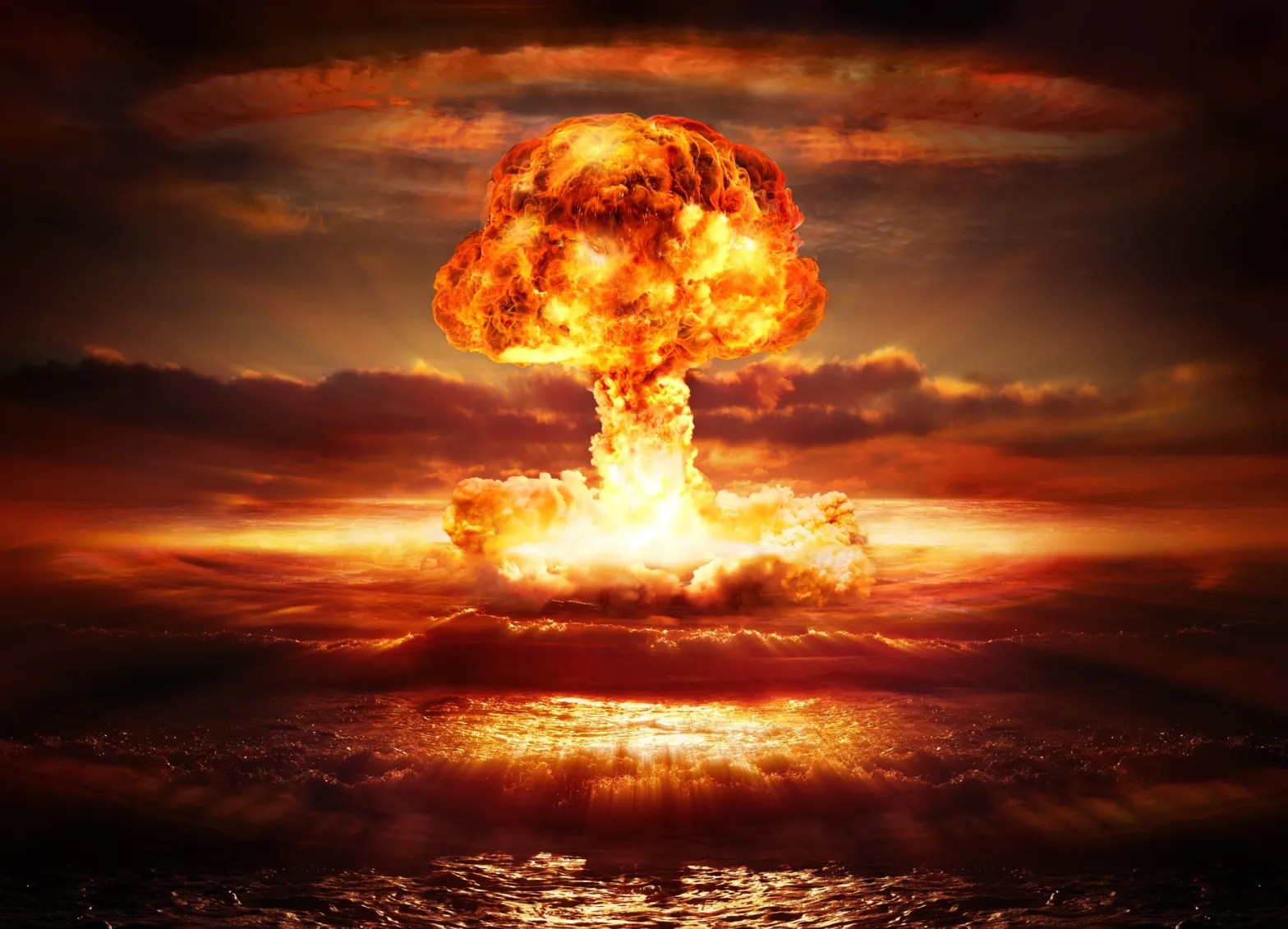
With the recklessness of Biden’s handlers deciding to fire ATACMS missiles into Russia from bases in Ukraine, most people around the world have become gravely alarmed about the consequences of this escalation of the Leftists’ war instead of peaceful negotiation to end it.
The UN has now passed the resolution (number 98) to study the effects of Nuclear War with scientific research. The resolution was sponsored by 20 countries including NZ.
The General Assembly,
Gravely concerned by the devastation that would be visited upon humankind by a nuclear war, and recognizing the consequent need to make every effort to avert the danger of such a war,
Alarmed at the renewed prospect of a nuclear war, and gravely concerned by the catastrophic humanitarian and environmental consequences that would result from it,
Acknowledging the accumulated scientific evidence that exists for nuclear war to result in long-term, large-scale, environmental, physical and socioeconomic effects, due to radiation, blast, fire and other phenomena,
Recalling its resolutions 40/152 G of 16 December 1985 and 41/86 H of 4 December 1986 and the subsequent publication in 1989 of the Study on the Climatic and Other Global Effects of Nuclear War,1
Noting the ongoing major advances in climatic and scientific modelling, and the consequent need for updated information on the potential effects of a nuclear war, including to provide policymakers with an updated, comprehensive scientific assessment of nuclear war effects and its consequences, and to determine where there is agreement among the scientific community, and where more research is needed,
Read the rest of the resolution
A piece on PressNewsAgency starts:
The UK was one of three countries to vote against creating a UN scientific panel on the effects of nuclear war because, the Foreign Office argued, the “devastating consequences” of such a conflict are already well known without the need for a new study.
The UK, France and Russia were the only countries to vote on Friday night against a UN general assembly committee resolution drafted by Ireland and New Zealand to set up an international scientific inquiry to take a fresh look at the multifaceted impact of nuclear weapons use.
Backers of the motion said the last such UN study had been carried out towards the end of the cold war and that a lot had changed since then, in geopolitics and in science.
A total of 144 UN member states voted for the resolution, and 30 abstained, including the US. North Korea had been expected to vote no, but abstained. In another surprise, China voted for the proposal, the only nuclear-armed state to do so, as did eight Nato allies. The resolution will now go to the full general assembly for a final vote.
A [UK] Foreign Office spokesperson said: “Nuclear war would have devastating consequences for humanity. We don’t need an independent scientific panel to tell us that.”
NZ would not be immune from a Nuclear War despite being a long way from the action in the Northern Hemisphere. The resulting ‘nuclear winter’ that would spread radioactive particles everywhere and drastically lower temperatures and sunlight would be devastating to everyone’s lives. And much foreign trade would be gone.