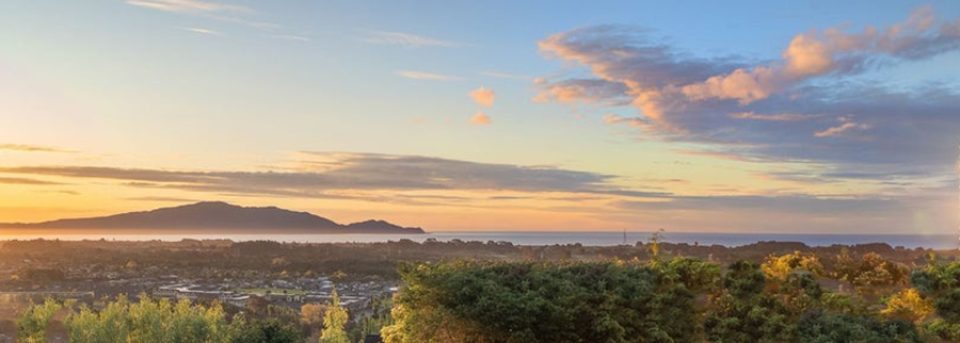
We don’t need to do this in Waikanae, just some mixed flower seed packets are needed to spread over the medians and berms with some dirt to cover them.

Denmark is turning heads with a creative solution to urban biodiversity. In the busy harbors of Copenhagen, floating islands covered with wildflowers are being used to create habitats for birds, bees, and other wildlife. According to MAST, these islands are part of the Copenhagen Islands project, also known as Parkipelago, designed by architect Marshall Blecher and the Danish studio Fokstrot. The goal is to bring nature back into the city’s waterfront while offering flexible public spaces that adapt to climate challenges.
Each island is built from sustainable materials and planted with native grasses, trees, and wildflowers. According to ArchDaily, the first prototype, called CPH-Ø1, was launched in 2018 and quickly became a popular spot for exhibitions, quiet retreats, and even stargazing. The islands are mobile and can be relocated to different parts of the harbor, helping activate underused areas and offering green space for boaters and kayakers.
The ecological impact is impressive. According to Oh Epic, the islands support a wide range of species, including pollinators like bees and butterflies, nesting birds, and marine life such as fish and mollusks. By blending art, ecology, and urban design, the project restores biodiversity in a heavily developed area and sets an example for sustainable innovation in cities around the world.