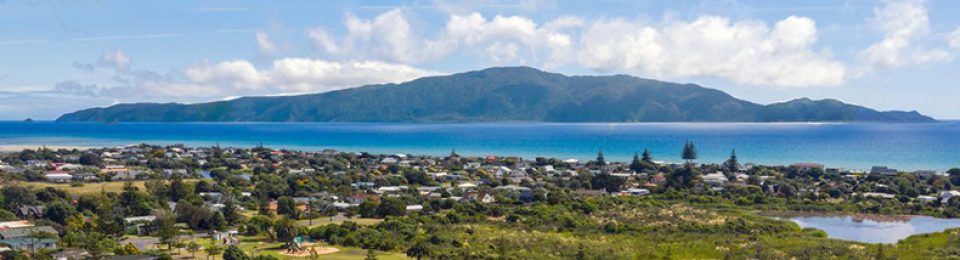
Kapiti electorate candidate debates coming up
10 Saturday Oct 2026
Posted in Uncategorized

10 Saturday Oct 2026
Posted in Uncategorized
10 Saturday Oct 2026
Posted in Uncategorized
by Geoffrey Churchman
The enclave is a legacy of Stalin’s redrawing of the map of Eastern Europe at the end of WW2. Up until then it was the German port city of Königsberg on the Baltic Sea which Stalin saw as a useful addition to St Peterberg (then Leningrad).
Königsberg had been substantially destroyed during the war and unlike in Poland where the downtown areas of the cities of Breslau (Wroclaw), Danzig (Gdansk) and to a lesser extent, Stettin (Szczecin) were rebuilt, the Soviets had little interest in doing so in Kaliningrad as it was renamed. Nevertheless,since 1991 the Russians have shown interest and have rebuilt the cathedral, and even toyed with rebuilding the Schloss (castle) which the communists gnerally didn’t like.
The big issue is that the Germans renounced any claims to Königsberg in 1990 after German reunification. Poland, however, would like to have it, from the way powers existed 1,000 years ago.
Would the Poles, backed by EU forces, drive the Russian citizens out? There are 1 million of them in the enclave, about half of them in the city itself. Would the Poles find that an easy thing to do? Would it be like Gaza, European style?


09 Friday Oct 2026
Posted in Uncategorized
09 Friday Oct 2026
Posted in Uncategorized

09 Friday Oct 2026
Posted in Uncategorized

09 Friday Oct 2026
Posted in Uncategorized

by John McCleary
I am against the tax policy. Not because I am wealthy, but because the NZ government is inefficient with tax dollars.
Throwing more money at a system famous for wasting money isn’t going to fix the system. It’s just going to waste more money.
The NZ government doesn’t need more tax money. It needs to be smarter with the money it already receives.
Much of the inefficiency and high cost of government arises from consultancies asset stripping the public sector of some of their brightest and selling them back at 2,5 to 3x their salary. It is not helped by short term contracts and moving people around departments rather than developing deep expertise.

09 Friday Oct 2026
Posted in Uncategorized
09 Friday Oct 2026
Posted in Uncategorized

09 Friday Oct 2026
Posted in Uncategorized

Yesterday we reignited a much-needed conversation about New Zealand’s welfare system. National believes we need a system that is firm, fair and affordable. A safety net for Kiwis who need help, not a system that gets abused and burdens taxpayers across the country.
So, if re-elected on 7 November, here are five changes National will make to Jobseeker:
Under Labour, the number of people receiving a Jobseeker unemployment benefit for more than two years surged by 60%. That’s a waste of their potential and not fair to hardworking taxpayers who fund the system.
Labour, the Greens and New Zealand First all disagree with our plan to introduce random drug testing for Jobseekers, but we know our five-point plan will provide more support to help people get off welfare and into work, while making clear that those who can work are expected to.
This election will be close, and every party vote will count. To stick with National’s plan and help us build a more secure future for all Kiwis, party vote National.
Louise Upston
National Party Spokesperson for Social Development and Employment
09 Friday Oct 2026
Posted in Uncategorized

1. If you have high blood pressure – Eat beets.
2. If you have high cholesterol – Eat oats.
3. If you have poor circulation – Eat cayenne pepper.
4. If you have an irregular heartbeat – Eat avocado.
5. If your arteries are clogged – Eat pomegranates.
6. If you have heart palpitations – Eat bananas.
7. If you have high triglycerides – Eat walnuts.
8. If you have a family history of heart disease – Eat garlic.
9. If you have low HDL (good cholesterol) – Eat olive oil.
10. If you have high LDL (bad cholesterol) – Eat almonds.
11. If you have water retention – Eat watermelon.
12. If you have poor blood flow to the brain – Eat dark chocolate.
13. If you have a weakened heart muscle – Eat spinach