by Roger Childs
 Poppies White and Red
In Flanders fields the poppies blow
Between the crosses, row on row,
That mark our place; and in the sky
The larks, still bravely singing, fly
Scarce heard amid the guns below.
–John McCrae
Lest we forget them all
 Another Anzac Day is coming up on Thursday. There will be the traditional dawn parades and later gatherings around the nation’s war memorials: the veterans and descendants of those who served their country will march and attend; wreaths will be laid; speeches will be delivered, and the Last Post and Reveille will be played.
We will also hear the reminders: Lest we forget and We will remember them.
The media will play their part too, with television presenters and news readers wearing the obligatory red poppy and the channels and papers recalling battles glorious and deeds victorious.
 It is appropriate that our small country which has given so many lives over the years, should pause and remember the heroism, sacrifices and contributions thousands of New Zealanders made in time of war.
Many Kiwis at this time will have bought a red poppy to keep faith with the fallen and the veterans.
The horrendous toll of wars
However, the reality of war is that most casualties have been civilians, caught up in conflicts where they were in the wrong place at the wrong time. Tragically, tens of millions of innocent people over the centuries have been slaughtered, injured, raped and displaced because of military campaigns aimed at achieving often short term political goals.
In New Zealand, we recall the effects of war on families on the home front who lost husbands, fathers, sons and brothers in campaigns on the other side of the world. However, it is hard for us to identify with the plight of people overseas who, through no fault of their own, found themselves living on, or close to, battlefields.
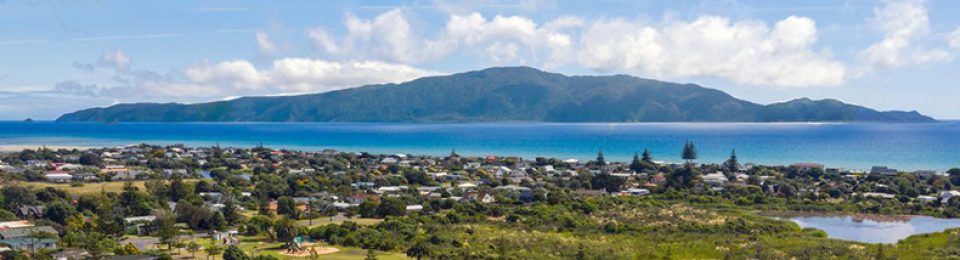
We can’t imagine what it would be like to have to leave our homes in Te Moana Road, Realm Drive, Wellington Road, Marine Parade and The Esplanade, put our belongings on a cart, and head north, south, east or west, possibly never to return.
The white peace poppy
Peace Movement Aotearoa … describes the white poppy as “an international symbol of remembrance of all the casualties of war”…. Shirley Murray
 Shirley’s late husband, John Murray, often reminded those who would listen, of the wide ranging casualties of war and the importance of the white poppy as a symbol of peace.
His advocacy aroused the ire of some folk in the RSA who misunderstood the message. Speakers at Anzac Day services often talk about servicemen and women giving their lives that we might live in peace. That’s what the white poppy is all about.
It is sad that where we remember the fallen, and those who served in wars in foreign fields, we use the name war memorials. If they could tell us, they would probably want the word peace used instead.
Remember all the casualties and peace
So when Anzac Day comes on Thursday, we should reflect on the futility of war and its incredibly destructive effects on people, property and production.
We should honour all the fallen, injured and displaced, and resolve, above all, to work for a peaceful world.
So think about wearing red and white poppies on Thursday. In that way you will be recalling the sacrifices our service people made; remembering the key reason why they died so far from home; and heeding the words of John Lennon:-
“All we are saying is give peace a chance.”