Hide the wildlife! Every day it seems some major brand in America picks up the sword and commits seppuku. They have seen what happens to other corporations that “get woke and go broke,” and yet they do the same suicidal marketing stunt and then endure massive losses in profits and customer trust.
Here comes the new North Face spokes-thang! It’s a hiking drag queen with a full mustache! Because that’s what you want to see when you go hiking in the great outdoors, a homosexual sashaying down the trail in a tacky, garish rainbow colored mini-dress that would send bears running for cover.
North Face has learned nothing from Target and Bud Light in the last few weeks. Their traditional customers will teach them a lesson. It’s time to boycott them all.
The recommended Boycott list for big corporations in Jacindaland
To date we have recommended the following not be given any custom:
Cadbury for pulling out of Dunedin and concentrating in Australia when it was making money in NZ.
Bunnings for the way they closed their Waikanae branch just before Christmas 2019.
BNZ bank for Wokeism and past shonky behaviour.
Westpac for supporting this government’s attacks on conservatives and libertarians by closing their accounts,
Z and BP for saying they would not sell fuel to the Freedom Convoy in 2022 and for Wokeism — and in BP’s case for polluting the Gulf of Mexico from reckless disregard for safety.
Where NZ is headed under the policies of this racist government we are inflicted with: above is a real sign for an exclusively non-white theatre in Augusta, Georgia, USA
Opinion by Roger Childs
Whānau Ora is a culturally-based, and whānau-centred approach to wellbeing focused on whānau (family group) as a whole, as the decision-makers who determine their goals and aspirations. –Whanau Ora website
Advertising in the Stuffers’ papers
TheWellington Post, and no doubt other Stuffer papers, featured two full pages earlier this week to emphasise that OUR FUTURE IS MAORI.
In the middle of the first page on a black background were four lines in white:
Maori have
higher rates of
unemployment
than non-Maori.
The headline on the second black page was OUR FUTURE IS MAORI. Then each of the lines from the first page was crossed out and replaced in capitals with
MAORI REACH
THEIR FULL POTENTIAL
WHEN WE EMPOWER
WHANAU.
At the bottom were the words WhanauOra.
Working for Maori
Whanau Ora [literally ‘healthy family’] works for Maori but not for other New Zealanders. The concept of whānau ora is about supporting Māori families to achieve their maximum health and wellbeing. WhānauOra is driven by a focus on whānau being self-managing, living healthy lifestyles and confidently participating in ‘te ao Māori’ and in society.
It is linked to the Ministry of Health which is funded by the government. Te Puni Kōkiri, the principal policy advisor of the Government of New Zealand on Māori wellbeing and development, is another important support for WhanauOra.
So fundamentally it is a separatist organisation, but uses Taxpayers money drawn for all New Zealanders.
Raising questions
The two page advertising for WhanauOra would have been expensive and Kiwis of all ethnicities will have contributed to the cost, in part from taxes paid to the government.
The wording of the advertisement throws up plenty of questions. For example:
Why do Maori have higher unemployment?
Whose fault is high Maori unemployment?
Are unemployed Maori applying for the thousands of current job vacancies in businesses, agriculture, industry, trades and forestry?
Do Maori reach their full potential when whanau are empowered?
Are there other groups and organisations who can help unemployed Maori?
Are the Maori who are unemployed keen to work?
What is meant by OUR FUTURE IS MAORI?
Do non-Maori get the sort of support WhanauOra provides for Maori?
Is this another example of separatism where Maori get favoured treatment?
The advertisement will have been seen by all readers regardless on their ethnicity and origins. What message should non-Maori take from it? The pitch is definitely aimed at Maori and highlights the situation and needs of this group who make up about 16-17% of the population.
All unemployed New Zealanders need encouragement and support, so why focus on one ethnic group? Government policy and NGOs should be assisting all Kiwis on the basis of need, not separating out one group.
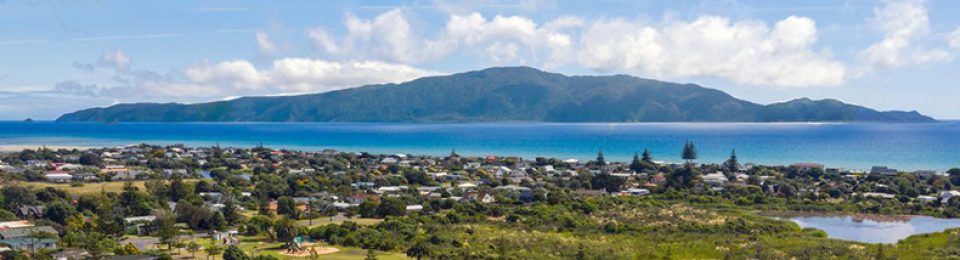
For those who have had enough of this autocratic, anti-democratic behaviour by this government and want to hear more from Stop Co-Governance Campaigners, here is a Kapiti Meeting on Monday evening: