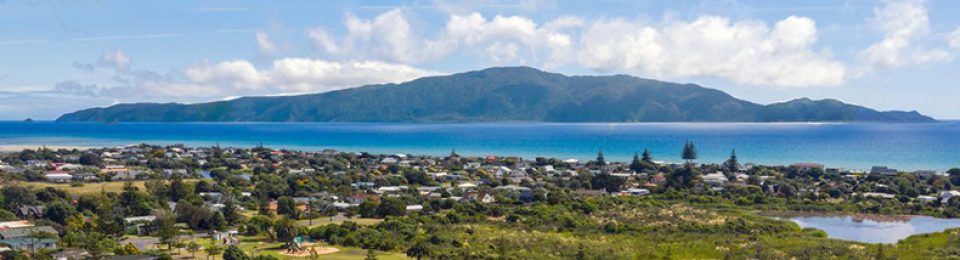
by Judy Gill
Glossary
Atua — Māori — gods, deities or supernatural beings.
Etchu — Moriori — gods or deities; broadly corresponding to Māori atua.
Tūpuna / tīpuna — Māori — ancestors.
Karāpuna — Moriori — ancestors.
Wairua — Māori — spirit or spiritual dimension.
Tapu — sacred, restricted or spiritually significant.
Karakia — ritual words, invocations or prayers; content and purpose vary.
Mauri — life force, vitality or spiritual essence.
Mātauranga Māori — Māori knowledge; a broad term used for Māori knowledge, practices and ways of knowing.
Waka — canoe or boat.
Rēkohu — the Moriori name for the Chatham Islands.
Rangihoua Stream — the place on northern Rēkohu near which the excavated waka was found.
Introduction
New Zealanders are repeatedly told that Māori spiritual beliefs, practices and traditions must be respected.
But when religion is repeatedly presented as knowledge, superstition is wrapped in the language of “MĀTAURANGA MĀORI”, and spiritual claims are treated as though criticism itself is disrespectful, the constant demand for respect starts producing the opposite response.
PEOPLE STOP RESPECTING IT.
Religious belief is not automatically knowledge. Superstition is not automatically knowledge. A claim about gods, spirits, tapu or ancestral presence does not become an empirical fact because it is placed beneath the heading “MĀTAURANGA MĀORI”.
At public meetings, in government workplaces and in schools, people increasingly encounter karakia and references to atua, tūpuna, wairua, tapu, sacredness and ancestral spiritual presence.
The room is getting very crowded with dead ancestors.
Who exactly are we addressing?
- The murdered or the murderers?
- The people who ate human flesh or the people who were eaten?
- The peaceful ancestors or the violent ones?
- The benevolent spirits or the malevolent ones?
- The ancestors, the gods, or something else entirely?
People are entitled to hold whatever supernatural beliefs they like. Other people are equally entitled not to have those beliefs repeatedly brought into their working day, school day, meetings, assemblies and public institutions.
They should not be expected to participate in karakia, listen constantly to spiritual language, or have children repeatedly exposed to religious concepts simply because those concepts are labelled “culture”.
Adults can become fed up with it. Children can become fed up with it too.
If schools are serious about student engagement, perhaps somebody should ask whether some students — including Māori students — are alienated by constant cultural and spiritual framing rather than assuming that more of it will automatically make them feel affirmed.
This is the background to the Te Ao Māori News story about the waka found on Rēkohu.
“Ancient” they said
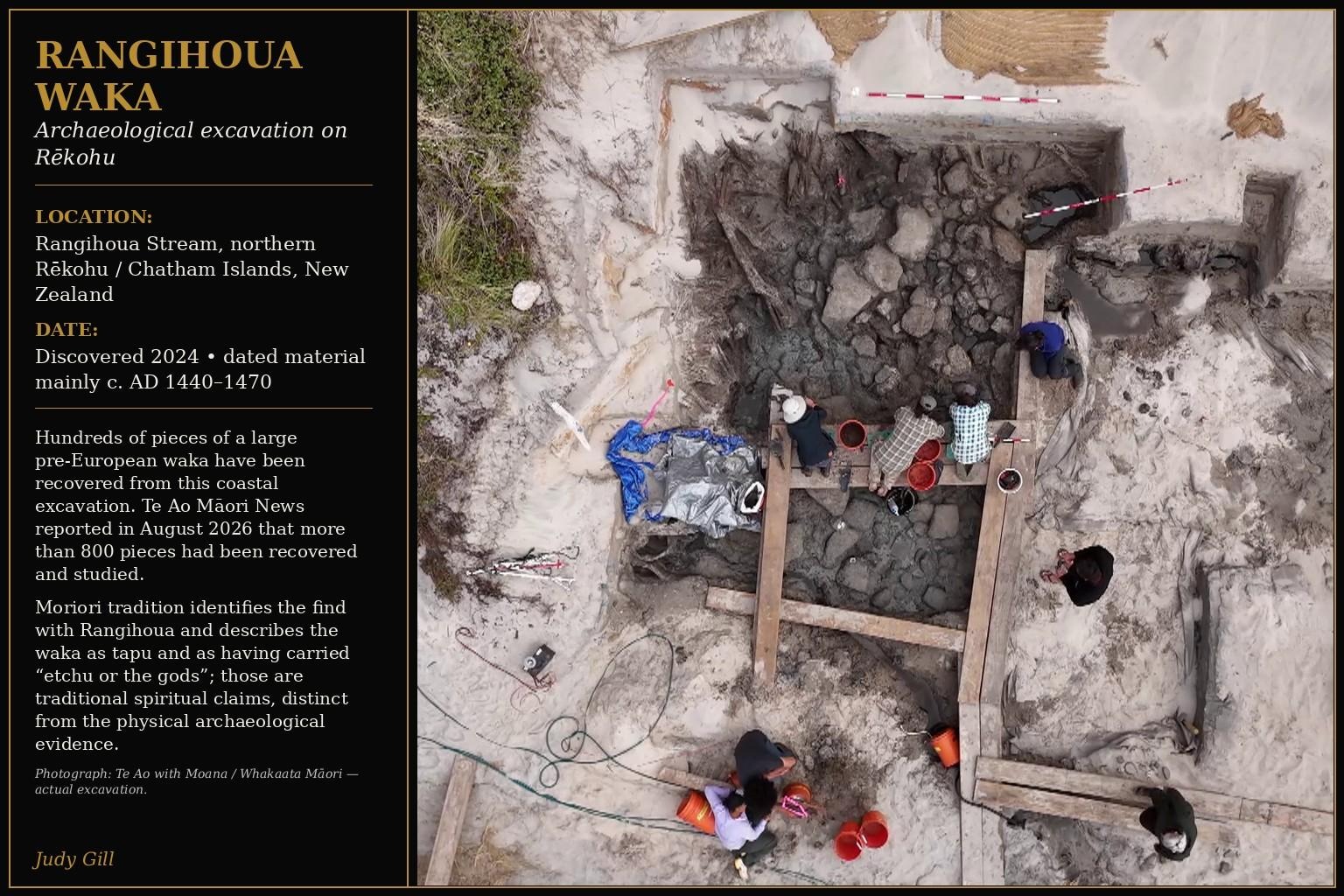
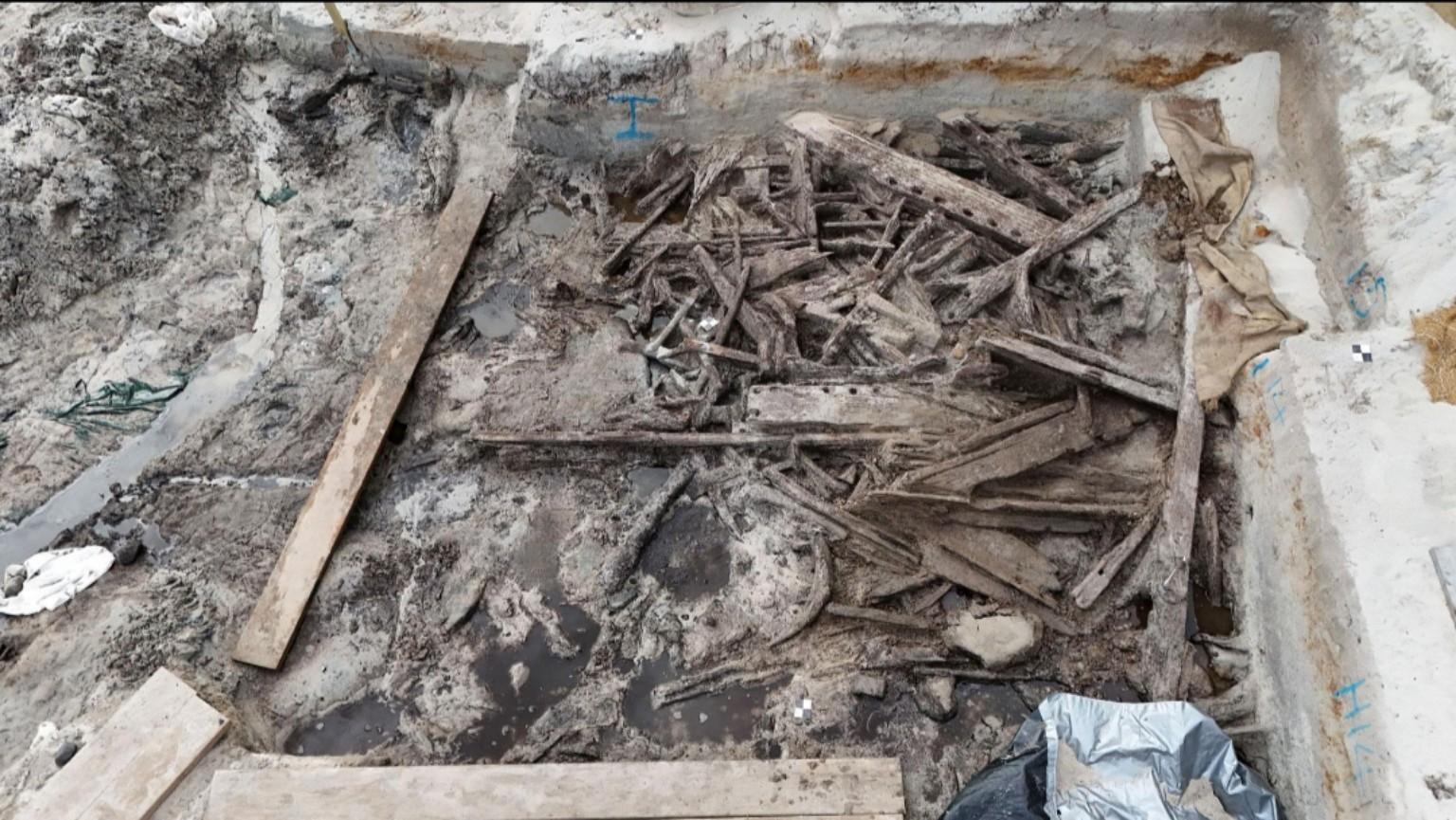
More than 800 pieces of a double-hulled waka have reportedly been recovered near Rangihoua Stream on Rēkohu.
The material has been dated to around the mid-1400s — roughly 570 years ago.
Historic, yes.
“Ancient”, no.
For perspective, my own family’s local church in England is about 400 years older than this pile of decaying timber. Many ordinary local churches in England are around a thousand years old and remain in regular use today.
Human society did not begin in 1200 AD.
A roughly 570-year-old canoe may be archaeologically interesting. It is not ancient.
“Sacred”, they said
Then comes the spiritual claim.
Te Ao Māori News quotes Moriori descendant Maui Solomon saying tradition recorded the waka as carrying “the etchu or the gods” and that it was therefore “very tapu”.
The claim is not that the boat itself was a god.
The claim is that GODS TRAVELLED IN IT.
But which gods?
What were these etchu believed to be?
What were their names?
What exactly was their relationship to this boat?
The report tells us that the waka “carried the gods”, but does not explain who those gods supposedly were.
Carbon dating is evidence.
Timber is evidence.
Construction techniques are evidence.
The physical remains of a double-hulled canoe are archaeological evidence.
GODS GOING FOR A RIDE IN IT ARE NOT ARCHAEOLOGICAL EVIDENCE.
That is religion.
And now taxpayers are being asked for $3.5 million
The spiritual elevation of the waka is not merely rhetorical.
Te Pāti Māori MP Tākuta Ferris has called on the Government to provide $3.5 million for its recovery and preservation.
So taxpayers are not merely being asked to admire a supposedly “ancient” and “very tapu” canoe that carried gods.
They are being asked to pay millions of dollars to recover and preserve it.
That makes scrutiny of the historical, archaeological and spiritual claims surrounding it entirely legitimate.
And, remarkably, $3.5 million is a figure we will meet again.
The Galilee boat — Archaeology without religious embellishment
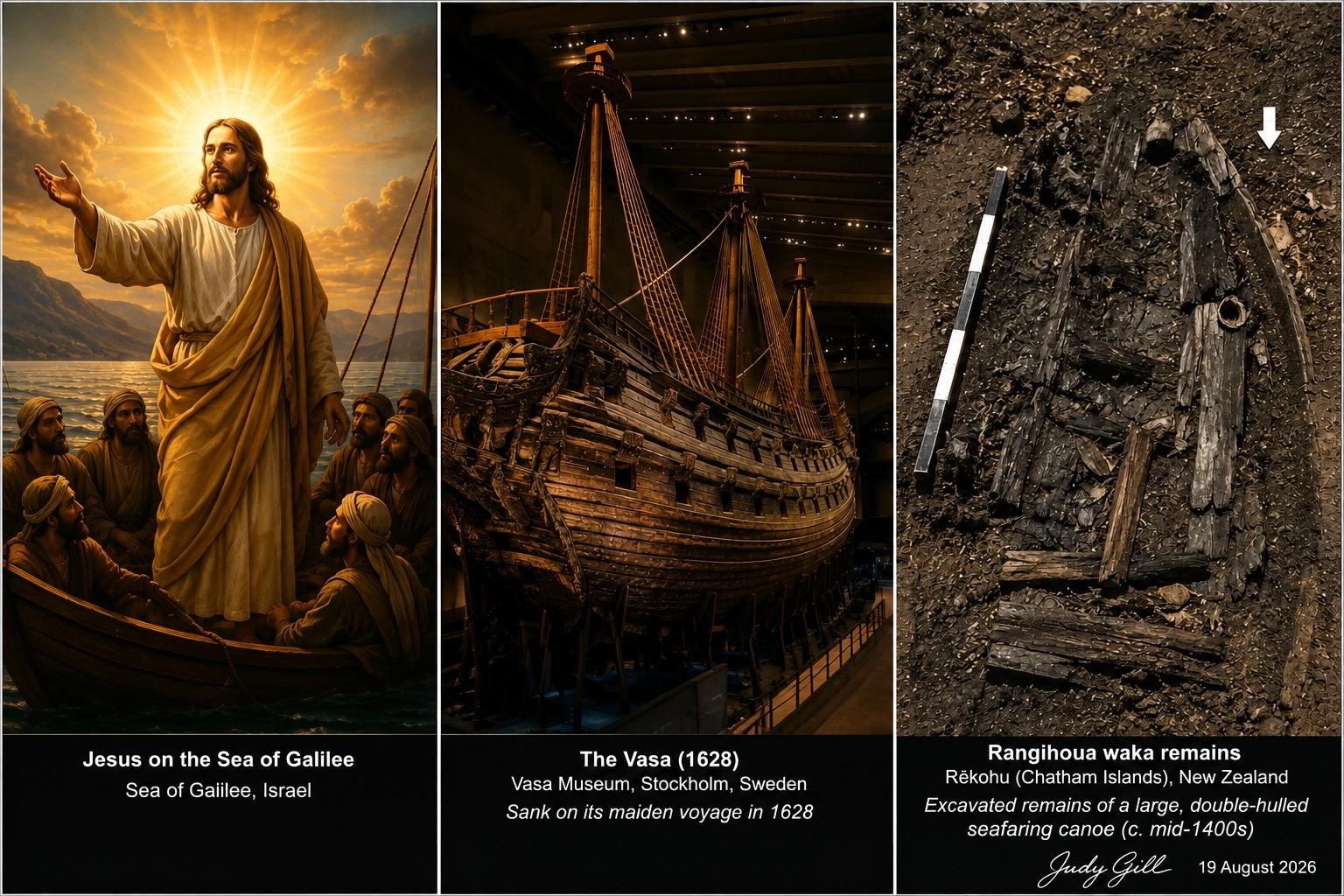
On the north-western shore of the Sea of Galilee is a wooden boat commonly nicknamed the “Jesus Boat”.
It dates from approximately 100 BC to AD 100 — roughly 2,000 years ago.
It comes from the place and period in which Jesus lived, yet nobody needs to pretend that Jesus personally sailed in that particular vessel. There is no evidence that he did.
Its significance rests on what the surviving boat can actually tell us about first-century life and boatbuilding.
The site is in Israel, a Jewish state, and naturally benefits from Christian tourism. But the archaeology does not depend upon turning an association with Jesus into an archaeological fact.
The ‘Vasa’ — age is not technological sophistication
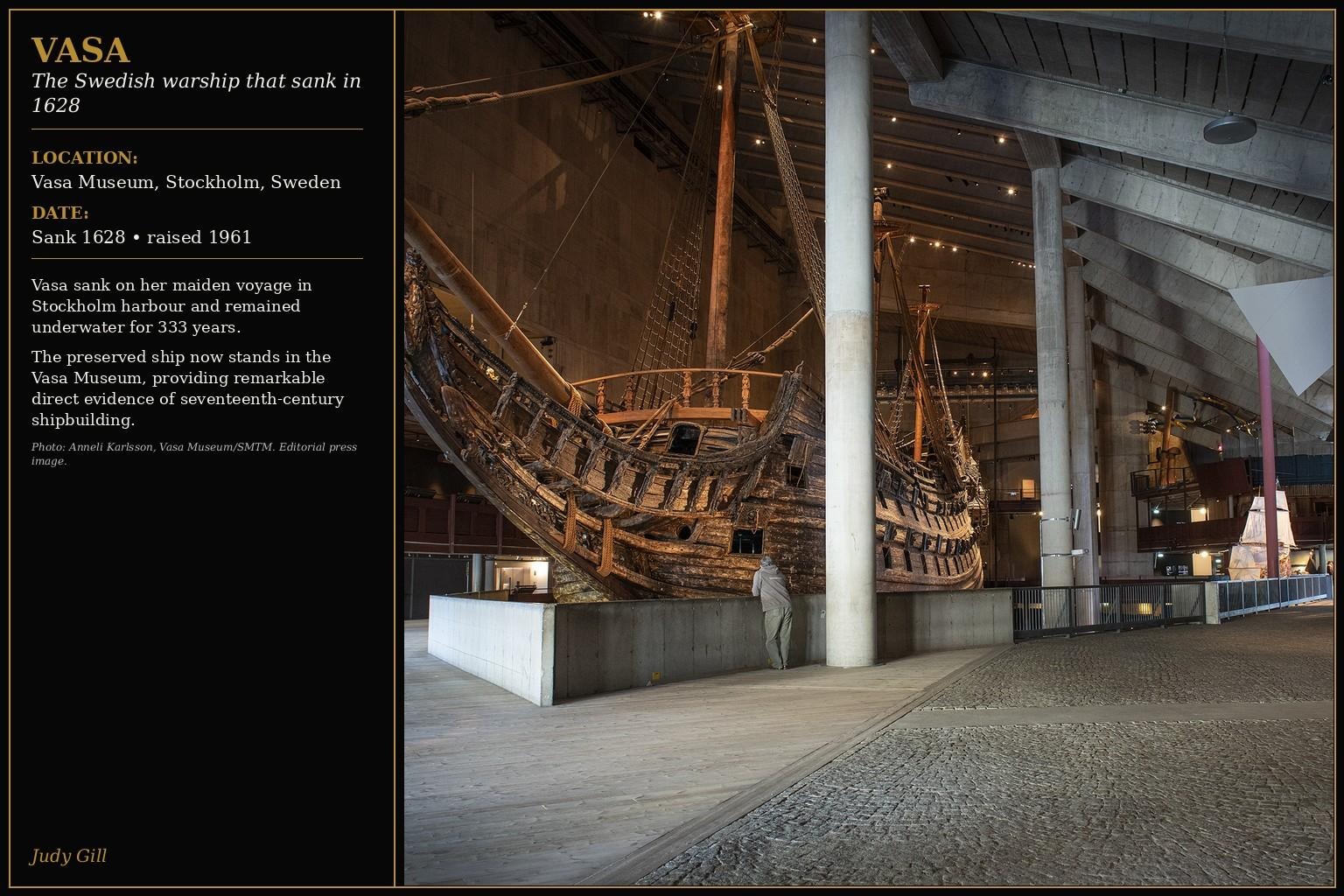
Then there is the Vasa, the magnificent Swedish warship that sank on its maiden voyage in 1628 and was raised more than three centuries later.
The Vasa is younger than the Chatham Islands waka, but technologically there is simply no comparison.
The Chatham Islands waka may be archaeologically useful, but it remains a comparatively simple fifteenth-century double-hulled canoe.
It was multi-decked, heavily armed, fully rigged, elaborately carved and constructed on a scale requiring far greater engineering, organisation and specialised craftsmanship.
Its story is also a lesson in engineering failure and poor decision-making: grandeur and decoration did not make an unstable ship seaworthy.
The comparison is about proportion.
Calling it tapu or saying that gods travelled in it does not make the technology more sophisticated, admirable or awe-inspiring.
YOU CANNOT MAKE PRIMITIVE TECHNOLOGY REMARKABLE BY SAYING A GOD WENT FOR A RIDE IN IT.
When ‘Culture’ becomes civic religion
All of this would be merely an interesting religious tradition if Māori spirituality remained a private matter.
It does not.
Karakia.
Atua.
Wairua.
Tapu.
Tūpuna.
These concepts now appear throughout government institutions, public ceremonies and schools.
The issue is not whether people are allowed to believe in them. Of course they are.
The issue is why everyone else is repeatedly expected to stand through, participate in or defer to somebody else’s supernatural worldview in publicly funded institutions.
People deserve basic respect.
IDEAS DO NOT AUTOMATICALLY DESERVE RESPECT.
Religions can be criticised.
Supernatural beliefs can be mocked.
Historical claims can be challenged.
Academic claims can be questioned.
Public expenditure can be scrutinised.
Tolerance does not mean intellectual surrender.
And Taxpayers are paying for it — again
The New Zealand Taxpayers’ Union estimated on 18 August that paid waiata and karakia practice across nine public-service agencies could be costing taxpayers approximately $3.5 million a year.
So there are now two strikingly similar figures:
$3.5 million being sought for the waka.
Approximately $3.5 million a year estimated for paid public-service waiata and karakia.
The relevance is simple:
THESE PRACTICES ARE NO LONGER MERELY PRIVATE CULTURAL OR RELIGIOUS BELIEFS. PUBLIC MONEY AND PUBLIC WORKING TIME ARE BEING USED TO SUPPORT THEM.
ACT has also proposed restricting public-service agencies from initiating or resourcing cultural and spiritual practices unless genuinely required for the job.
The same question arises in schools.
Christian religious instruction is immediately recognised as religion and subjected to statutory safeguards.
Yet Māori spiritual practices involving atua, ancestral presence or other supernatural concepts can be characterised as tikanga or culture.
Why should one supernatural worldview escape the religious label merely because it is Indigenous?
When religion is called ‘knowledge’
Another source of irritation is the repeated presentation of religion and superstition as “KNOWLEDGE”.
“MĀTAURANGA MĀORI” is a broad label.
Calling something knowledge does not establish that it is knowledge.
A spiritual claim about gods, spirits, tapu, mauri, wairua or ancestral presence does not acquire the same evidential status as an empirical claim simply because both are placed beneath the label “MĀTAURANGA MĀORI”.
The contrast with the Galilee Boat and the Vasa is useful.
The Galilee Boat can be studied without claiming Jesus sailed in it.
The Vasa can be studied as engineering, craftsmanship and failure without adding gods to its history.
Their importance rests on what the physical evidence can actually show.
Why should the standard change in New Zealand?
One moment we are discussing archaeology. The next moment gods travelled in a canoe.
One moment we are discussing astronomy. The next moment we are discussing star gods.
One moment we are discussing ecology. The next moment we are discussing mauri or wairua.
If institutions continually blur those boundaries, people eventually become tired of being told that scepticism is disrespect.
IF YOU WANT PEOPLE TO TRUST THE SCIENCE, STOP ASKING THEM TO TREAT RELIGION AS SCIENCE.
Professor Rangi Matamua, Matariki — and Professor Jason Arday
New Zealanders have recently had plenty to say about Cambridge and Professor Jason Arday.
Perhaps we should be careful about laughing too loudly.
Professor Rangi Mātāmua’s extraordinary public authority rests substantially upon interpretations of a 400-page family manuscript reportedly compiled between 1898 and 1933.
The manuscript has not been published in full for ordinary public scrutiny.
Where is the complete facsimile?
Where is the complete transcription?
Where is the complete translation?
Where is the independent examination against which the claims built upon it can be checked?
Our earlier research established another inconvenient chronology.
Around 1867, Stephen Carkeek had already built an astronomical observatory near Featherston.
From 1869, the Colonial Observatory operated in Wellington.
Navigation, surveying, astronomical observation, scientific instruments and European astronomical knowledge had therefore been established in New Zealand decades before the Mātāmua family manuscript reportedly began to be written in 1898.
That does not prove what is or is not inside the manuscript.
It does make provenance and scrutiny rather important.
Mātāmua reportedly received the manuscript in 1995.
His influential book Matariki: The Star of the Year appeared in 2017.
Matariki became a statutory national public holiday in 2022.
Professor Mātāmua has received major institutional recognition, including the Callaghan Medal and appointment as an Officer of the New Zealand Order of Merit — ONZM.
New Zealand has not merely listened.
We have honoured, funded, institutionalised and nationalised the narrative.
Schools teach it.
Government promotes it.
Public ceremonies enact it.
We have created a national holiday around it.
And yet the central family manuscript remains unavailable for ordinary public examination.
So perhaps New Zealand should not laugh too loudly at Cambridge.
NEW ZEALAND HAS BEEN CONNED?
If that sounds too strong, there is a very simple answer:
SHOW US THE MANUSCRIPT.
SHOW US THE TRANSCRIPTION.
SHOW US THE TRANSLATION.
SHOW US THE INDEPENDENT SCRUTINY.
Prestige is not peer review.
An ONZM is not evidence.
A public holiday is not corroboration.
And a professor is not an oracle.
The same question has arisen in another highly publicised project involving Mātāmua: claims about Māori ancestral connections with Antarctica, explored in Ranginui: Call of the Ice and challenged by journalist Yvonne van Dongen in “Frozen Myths”.
Again:
WHERE DOES EVIDENCE END AND MYTHOLOGY BEGIN?
Four years of Matauranga Maori — or indigenous studies?
Another example stayed with me after the Diocesan School for Girls Open Day in March 2026. Diocesan is one of New Zealand’s most academically successful schools.
I was shown around by a Year 10 student. She told me students studied Mātauranga Māori in Years 7, 8, 9 and 10, and she was very relieved that Year 10 was her last year of it.
I asked what they actually studied.
She told me they studied Indigenous cultures from around the world.
My immediate reaction was:
THEN CALL IT INDIGENOUS STUDIES.
She also told me the Treaty of Waitangi was studied in each of those four years in Mātauranga Māori and again through Social Studies across Years 7, 8, 9 and 10.
According to what this Year 10 student told me, by the age of 14 she had encountered Treaty teaching eight times across those two subjects.
There is nothing wrong with studying the Treaty.
There is nothing wrong with studying Indigenous cultures internationally.
But names, proportions and curriculum time matter.
Māori knowledge is Māori knowledge.
Pacific knowledge is Pacific knowledge.
Aboriginal Australian knowledge is Aboriginal knowledge.
Native American traditions belong to their respective peoples.
Putting everything Indigenous into one intellectual basket and labelling the basket “MĀTAURANGA MĀORI” does not make everything inside it Māori.
This is how respect is lost
And now back to those 800 pieces of timber on Rēkohu.
The waka existed.
Its age can be investigated.
Its timber and construction can be studied.
Those are archaeological questions.
Whether GODS TRAVELLED ABOARD IT is a religious proposition.
The questions are straightforward:
What is demonstrable?
What is archaeological?
What is historical?
What is reconstructed?
What is modern?
What is borrowed?
What is religious?
And what is simply believed?
Tell the stories.
Preserve the traditions.
Study the archaeology.
Teach the history.
Believe in the spirits if you wish.
But do not require everybody else to participate in the belief, hear it constantly in publicly funded institutions, or treat it as knowledge.
And do not be surprised when constant demands for reverence eventually produce the opposite.
THE ROOM IS CROWDED ENOUGH ALREADY.
References and further reading
RANGIHOUA WAKA
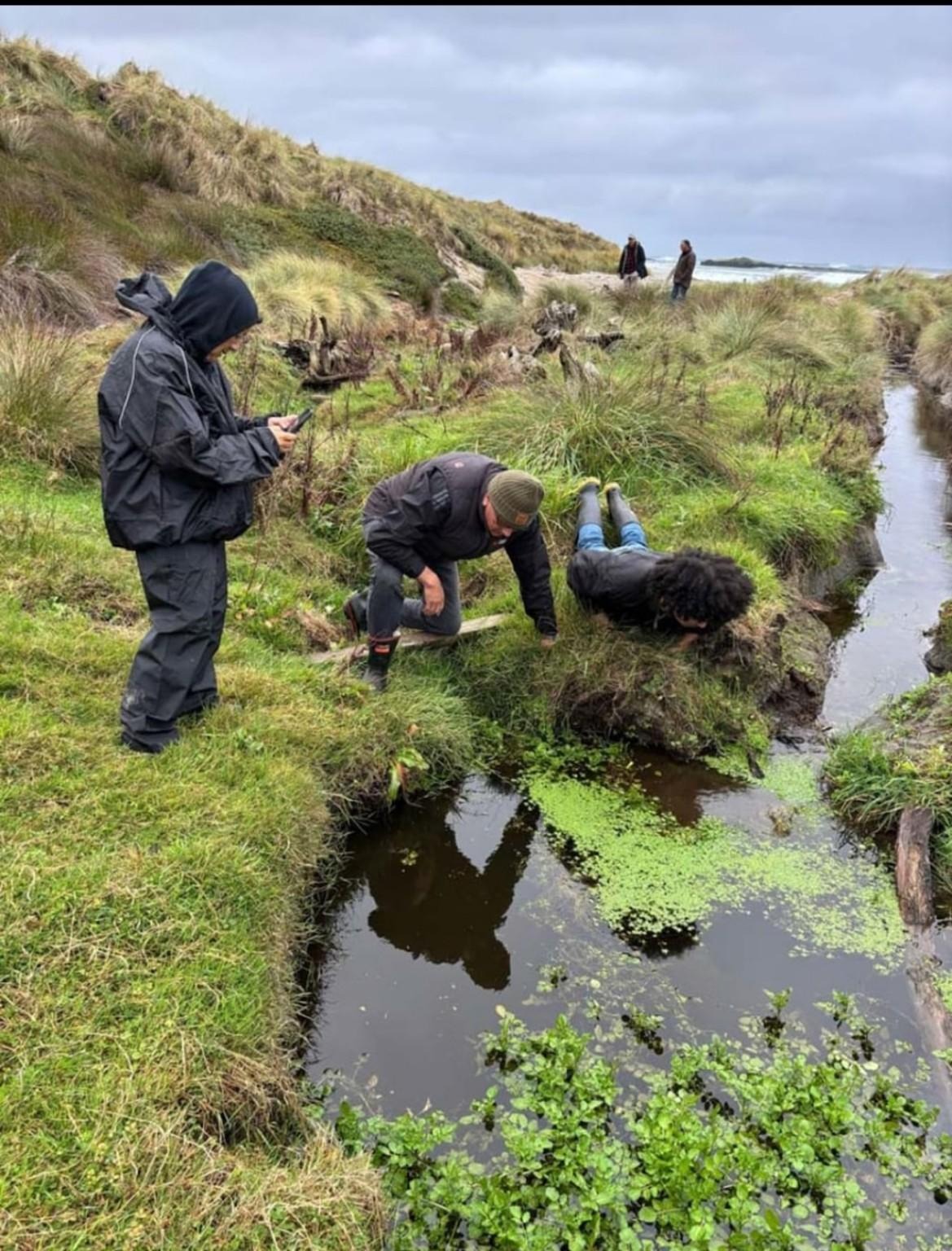
Te Ao Māori News — Moriori seek urgent support to recover tapu Rangihoua waka
https://www.teaonews.co.nz/2026/08/19/moriori-seek-urgent-support-to-recover-tapu-rangihoua-waka/
Te Ao Māori News — Ocean waka “most important discovery in New Zealand archaeology”
https://www.teaonews.co.nz/2025/03/03/ocean-waka-most-important-discovery-in-new-zealand-archaeology/
Moriori — Rangihoua waka project/background
https://www.moriori.co.nz/our-mahi/the-rangihoua-a-moriori-waka-miheke
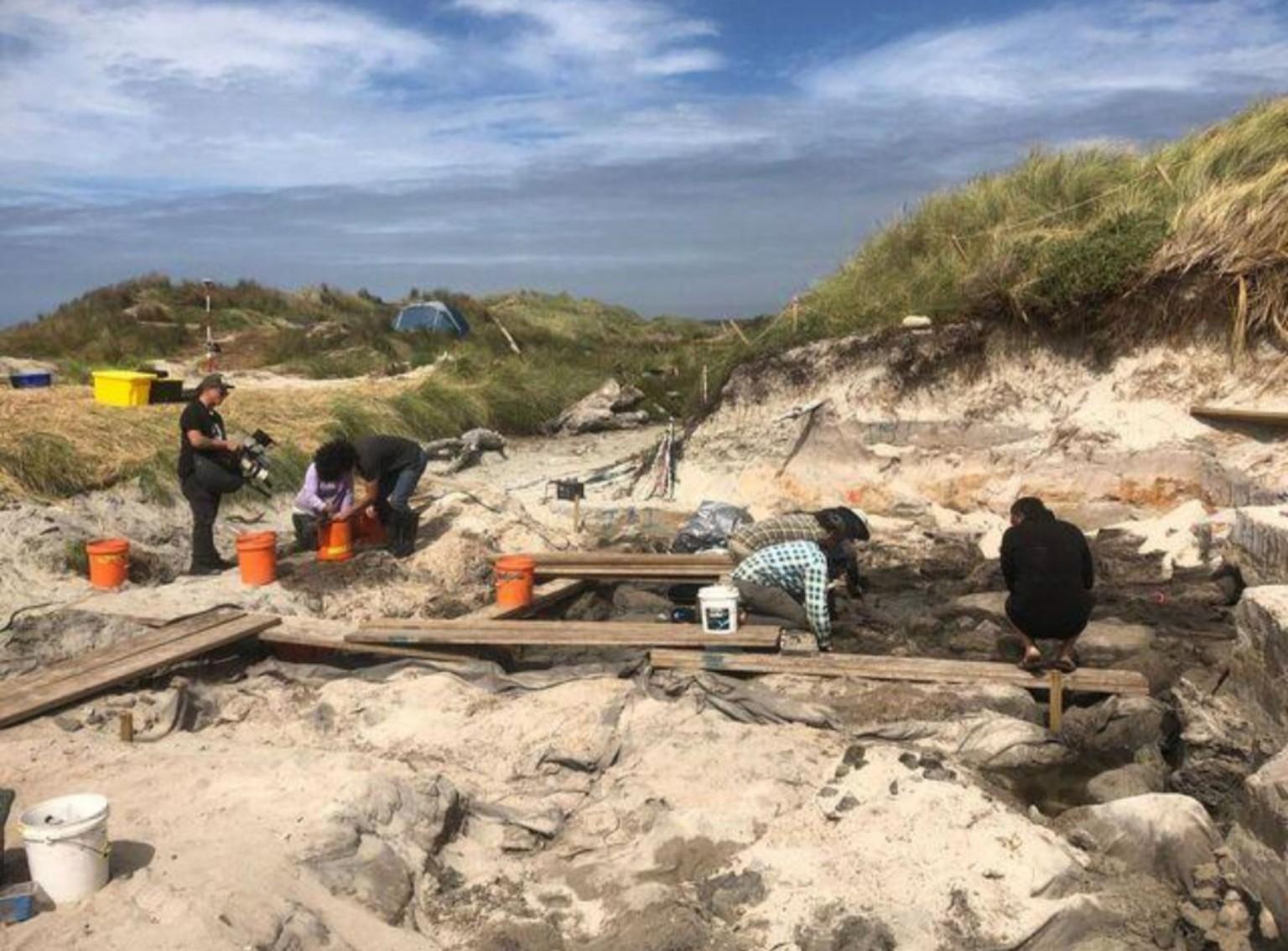
Pacific Scoop — Tākuta Ferris: Government must fund recovery of 550-year-old Rangihoua waka
https://pacific.scoop.co.nz/2026/08/ferris-government-must-fund-recovery-of-550-year-old-rangihoua-waka/
MATARIKI — RANGI MĀTĀMUA AND THE MANUSCRIPT
Royal Society Te Apārangi — Professor Rangi Mātāmua, 2020 Callaghan Medal
https://www.royalsociety.org.nz/what-we-do/medals-and-awards/research-honours/2020-research-honours-aotearoa/2020-callaghan-medal/
Heritage New Zealand Pouhere Taonga — Carkeek Observatory
https://www.heritage.org.nz/list-details/9808/Carkeek%20Observatory
Daily Telegraph New Zealand — Show Us the Manuscript
https://dailytelegraph.co.nz/opinion/show-us-the-manuscript/
The Good Oil — Please, Show Us the Manuscript
https://goodoil.news/please-show-us-the-manuscript/
Breaking Views — Judy Gill: Show Us The Manuscript
https://breakingviewsnz.blogspot.com/2026/07/judy-gill-show-us-manuscript.html
Waikanae Watch — Show us the manuscript!
https://waikanaewatch.org/2026/07/17/show-us-the-manuscript/
ANTARCTICA — “FROZEN MYTHS”
Yvonne Van Dongen — Frozen Myths: Antarctic documentary revives debunked Māori voyages — The Platform
https://theplatform.kiwi/opinions/frozen-myths
Doc Edge — Ranginui: Call of the Ice
https://docedge.nz/events/ranginui-call-of-the-ice/
JASON ARDAY
Reuters — Jason Arday and the Cambridge plagiarism controversy
https://www.reuters.com/world/uk/ex-cambridge-professor-centre-plagiarism-scandal-found-dead-british-media-report-2026-08-14/
The Guardian — Playbooks, plagiarism and a pig’s head: new claims surrounding a star Cambridge professor
https://www.theguardian.com/education/ng-interactive/2026/aug/01/playbooks-plagiarism-pigs-head-new-claims-surrounding-cambridge-professor-jason-arday
PUBLIC-SERVICE KARAKIA AND WAIATA
New Zealand Taxpayers’ Union — MBIE workplace waiata investigation
https://www.taxpayers.org.nz/exposed_mbie_s_daily_workplace_waiata_sessions
New Zealand Taxpayers’ Union — estimated public-service waiata/karakia costs
https://www.taxpayers.org.nz/revealed_act_s_banning_of_public_service_waiata_to_save_an_estimated_3_5_million_per_year
ACT Party — ACT will restore one public service for all New Zealanders
https://www.act.org.nz/news/act-will-restore-one-public-service-for-all-new-zealanders
DIOCESAN SCHOOL FOR GIRLS
Judy Gill — Breaking Views — How Does Diocesan School for Girls Give Effect to Te Tiriti?
https://breakingviewsnz.blogspot.com/2026/03/judy-gill-how-does-diocesan-school-for.html
Judy Gill — Daily Telegraph New Zealand — How Does Diocesan School for Girls Give Effect to Te Tiriti O Waitangi?
https://dailytelegraph.co.nz/opinion/how-does-diocesan-school-for-girls-give-effect-to-te-tiriti-o-waitangi/
THE GALILEE BOAT
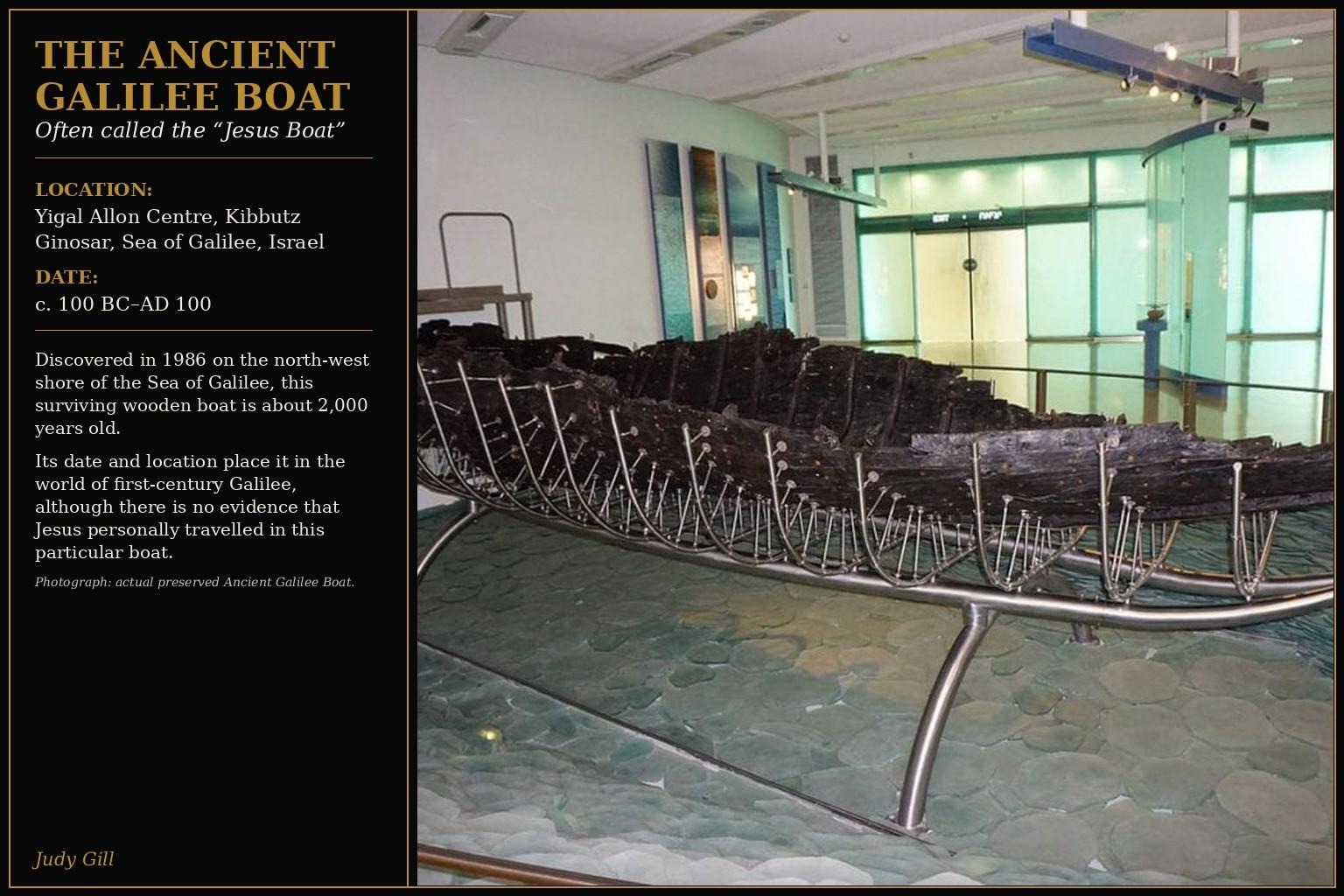
Yigal Allon Centre — The Galilee Boat
https://en.yigal-allon-centre.org.il/the-ancient-boat/
The ‘Vasa’
Vasa Museum — official history
https://www.vasamuseet.se/en